During most Big Sky culinary classes, students are taught how to make food through verbal and video instructions. After the students are taught what they need to know, they are sent to work on it.
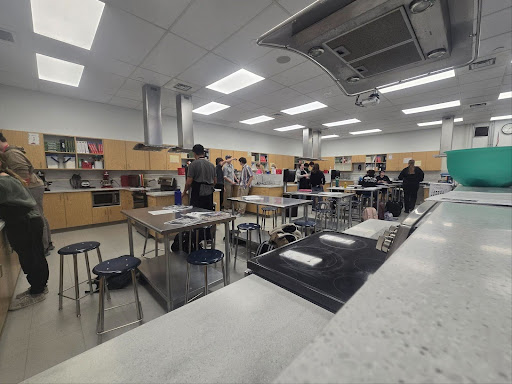
On a recent day in one of these culinary classes, students spread apart into groups of three to five, with one student leading the others as the head chef of the group. Tasks were split into different priorities for each student until either the food was made or the class period ended.
This specific class period was one of the MBA pathway courses, so the class had a variety of culinary understanding. To start the class, two different videos were shown on how to make a corn-based or flour-based tortilla.
Once the two videos were over, students gathered with their tablemates and collected the materials they needed to make either a corn or flour tortilla based on their group choice. The students started by prepping their ingredients to make it easier to set up. Then, students mixed all of the ingredients until everything was properly combined.
Most groups acted symbiotically with one another and were able to complete each task relatively efficiently. To finish the recipe, students put the dough onto pans and baked it in order to preserve its flat shape. Overall, the class ran smoothly and all of the students seemed enthusiastic to learn and make the tortillas.
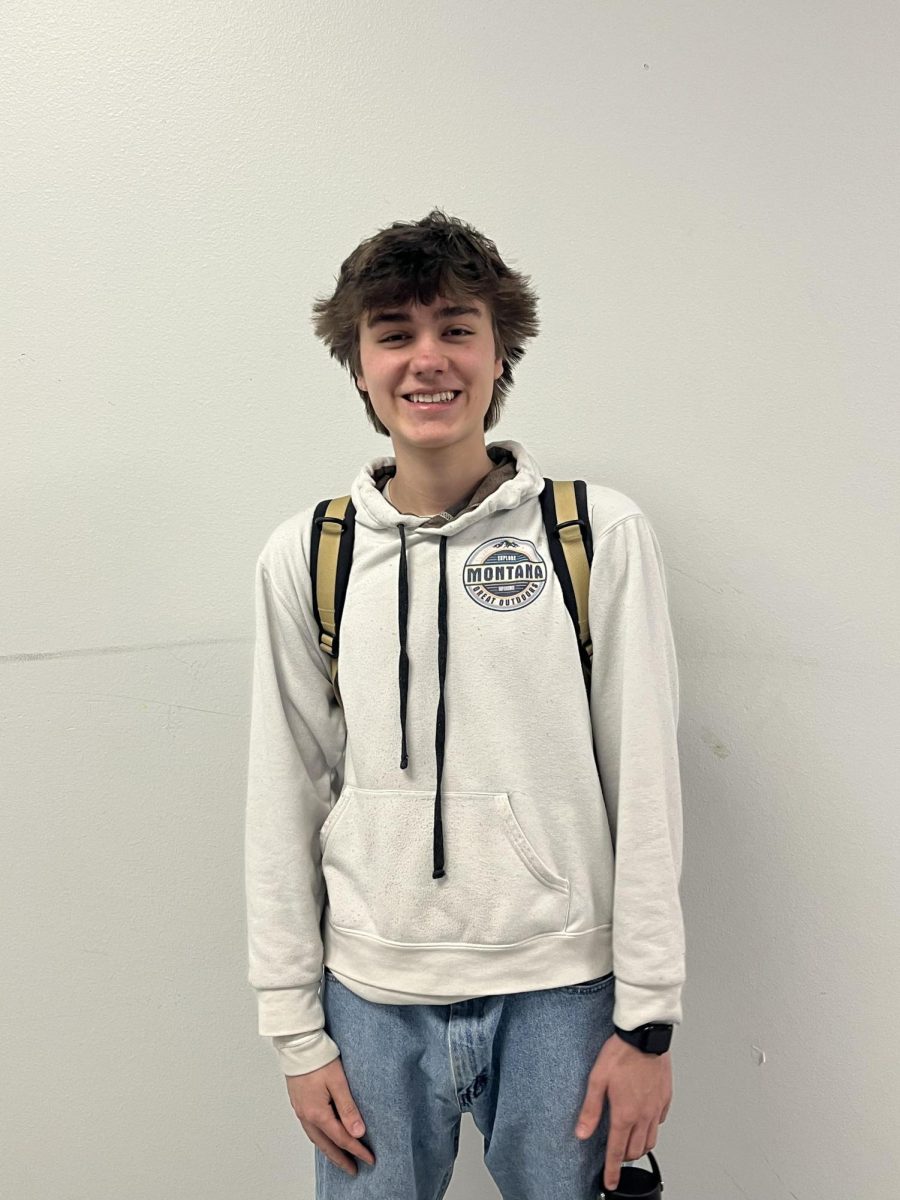
Hadrian Lemmon, a Big Sky junior, says, “There are gonna be foods that are gonna turn out bad, but always improve on your mistakes, and if a recipe doesn’t work, you can always tweak it.”
Lemmon started doing culinary classes his sophomore year, starting with Food and Nutrition 1, like most students. Hadrian has worked on assorted projects, with his favorite being the monkey bread he made.
Over the last five years, Erica Ramsey has led the culinary department and these culinary classes.
With each class having an average of 40 students, Ramsey teaches roughly 150 students every year with an assortment of different classes for each level in a student’s culinary journey.
The diversity in what food is created by each class adds to the educationally relevant aspects of the class, providing more personality for each dish.
Another student, Ian Comes At Night, talked about the cultural impacts of being in a culinary class. He talked about how being in the class helped him understand things centered around other cultures’ cuisines.
“It helped me be less naive to other [cultures],” Comes At Night said.
This is Comes At Night’s first culinary class, and he really liked making the pancakes for one of the classes.
“The big pancakes we made … they were like one foot long,” Comes at Night said.
Any year, students are allowed to start with more basic classes like Food and Nutrition 1 or 2, but for the more technical classes, more engagement and understanding is needed. Culinary isn’t necessarily the most difficult class, but its challenges help make each student more prepared for their future life.
When asked about guidance for future students, Comes At Night responded with “If you’re willing to learn, I think that’s the best advice.”
The Big Sky culinary department has allowed for many opportunities to be found both educationally and job-wise. During many public events, culinary students are able to work their expertise and bake treats for parents and their peers to enjoy.
During events such as the choir departments Cafe Chocolate and the Booster Club’s Blue and Gold Gala, culinary students get to craft desserts to help other electives or extracurriculars with funding.
“I think it’s cool, it’s giving back to the community,” says Comes At Night.
“It’s a good opportunity for what a career like that could look like in the real world,” Lemmon added.
Having opportunities to work on catering in school helps students develop an understanding for its requirements before working in a proper kitchen. Having access to free catering work has helped prior and current students acquire real jobs in the culinary field.
Many students have moved on or continue to be in assorted Big Sky culinary classes while working in actual culinary kitchens.
“All food service jobs teach you skills and lessons. Use each job as a stepping stone to your final goal,” Ramsey said.
Current culinary student London Gradnigo, a Big Sky junior, talked about how she plans to use her experiences from both the class and in her house for future career work.
“I plan to get a minor culinary degree in college,” Gradnigo says
Gradnigo started culinary classes her sophomore year and has since then worked outside of school on culinary-based ventures. While she may not be in a major culinary kitchen yet, she has used her understanding from the class to make food at home and during her job at McDonalds.
Despite the possible job opportunities provided through doing culinary classes, there are difficulties based around budgeting.
There are certain monetary restraints in each culinary class, as with any department within most MCPS schools. Most classes have certain requirements due to the specific material that is taught in the class. For culinary, certain things like groceries have become a major expense as inflation has increased.
“Groceries are super expensive and they continue to be more and more expensive,” says Big Sky principal Jennifer Courtney.
There are also other indisposable tools, like the stoves and mixers, that further add to the cost of starting and maintaining such a class. This makes it difficult to properly fund the culinary class, restricting it to one classroom, even with such a high demand.
“Mrs. Ramsey’s classes are full … you figure a maxout at like 25 and there’s six sections, so about 150 or so students throughout the course of a two-day span,” Courtney said.
Despite its expenses, there are still many students who overwhelmingly enjoy the classes provided.
“It is important to understand the business aspect of the food service industry. Restaurants don’t fail because they can’t make a good meal, they fail because they can’t balance their budget.” says Ramsey.
While culinary may seem like an easy A to most, there are certain skills required that can help students outside of their education.
“Students are going to be cooking for themselves, families and friends for the rest of their lives,” Ramsey said.