For decades, schools across the country have used the same method for analyzing their students: giving them a standardized test.
Standardized testing can take many different forms, ranging from hours-long, college admissions related assessments like the ACT and SAT, to shorter multiple choice question- or written response-centered tests created by classroom teachers across the country. According to an article in “Education Week,” the ongoing debate over standardized testing in America education has reached a critical juncture. Critics argue that the emphasis on high-stakes testing in K-12 education often narrows the curriculum, stifles creativity, and increases stress levels.
But one thing many of these tests have in common? A lack of flexibility for student creativity and relevance beyond the school building, according Cornell University’s Dr. Robert Sternberg, an expert on the topic.
In a news article posted on Hamilton College’s website, Sternberg brought up the fact that standardized testing content is, “often trivial with little use outside an academic setting,” as students never face short answer responses to problems in the real world.
Sternberg also discussed how standardized tests often lack equity, as they are influenced by students’ social backgrounds, meaning kids who are wealthy get personal tutors, test prep courses, and stable learning environments, while non-wealthy kids can’t get access to that.
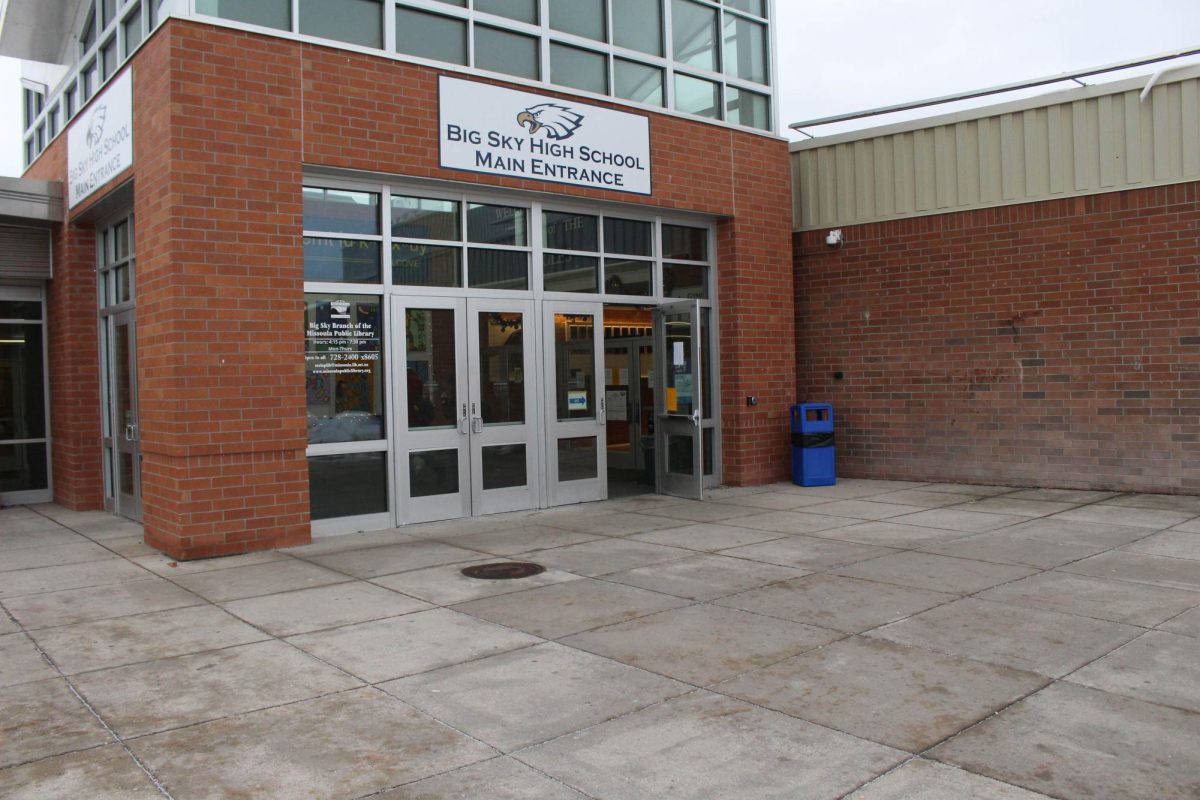
Big Sky’s Matt Keenan, a classroom teacher and school testing analyzer, expressed similar thoughts to Sternberg.
“A standardized test makes it very easy to be a passive consumer of content and just let the algorithm control you,” Keenan said.
Because of this lack of creativity, many schools across the country are pushing to replace standardized testing with alternative assessments that allow for student innovation and often relate directly to job skills students will need post-graduation.
In Texas, lawmakers have sent legislation replacing STARR (State of Texas Assessments of Academic Readiness) testing for students with three shorter tests at the beginning, middle, and end of the year, according to The Texas Tribune.
This method aims to help reduce the pressure that a single test puts on students, the article says, and monitor students’ academic growth more closely.
The Tribune article also says school accountability experts have celebrated the new method being swapped for the old standardized testing system, as it will better assess whether students have the core academic skills they need to be ready for life after high school.
Even though neither Big Sky High School nor the greater Montana education system have adopted the Texas method, or a method similar, students have been using a free tool called “ED Ready” through the Montana Digital Academy.
According to Big Sky’s head principal Jennifer Courtney, this app helps students figure out what grade level class they should be in by a small quiz Ed Ready makes you take, analyzing how well you know your subject.
It’s been beneficial for students in Montana and other parts of the country, mainly in math and reading classes, because, according to a website that analyzes the quiz called Niche.com, students in math that took the Ed Ready quiz had their class average grade go up by 27% and up by 47% for English.
“This program has been very helpful to the teachers and I coordinate students more efficiently,” Courtney said of Ed Ready.
Another alternative assessment strategy that Big Sky teachers and staff like Keenan bring up to each other is something they did years ago called “Senior Projects,” which were designed to demonstrate what students have learned throughout their four years of high school.
For example, if you were in culinary, you would make a 5-star dish instead of answering packet questions, and if you were in math, students could participate in a construction showcase featuring how they helped build something with the help of math they learned in class.
According to KPAX News, in 2022 a Big Sky High School senior named Mazey Kasberg wanted to raise money for families who were struggling or going through some things at the Ronald McDonald House as part of her senior project. She raised $3,000 and 10 meal sign ups for the guests/families.
“I’m super glad that I kind of went outside of my comfort zone for this project and like did something that I wasn’t fully comfortable with because then I got to learn about this whole new organization that I didn’t know about that helps the community so much,” Kasberg said in an interview with the KPAX News.
By focusing on projects, portfolios, and real world problem solving, schools can better prepare students for life beyond the classroom, according to Big Sky teachers like Keenan.
“I think senior projects really test students by putting them in the front seat and watching them see what they will do next,” Keenan said.
And while big standardized tests like the ACT that Big Sky juniors take every year won’t be taken away, Big Sky administrators are also open to more “real world” assessments for students.
“There needs to be not just an assessment of your academic skills, but also your kind of post high school connections,” Courtney said.