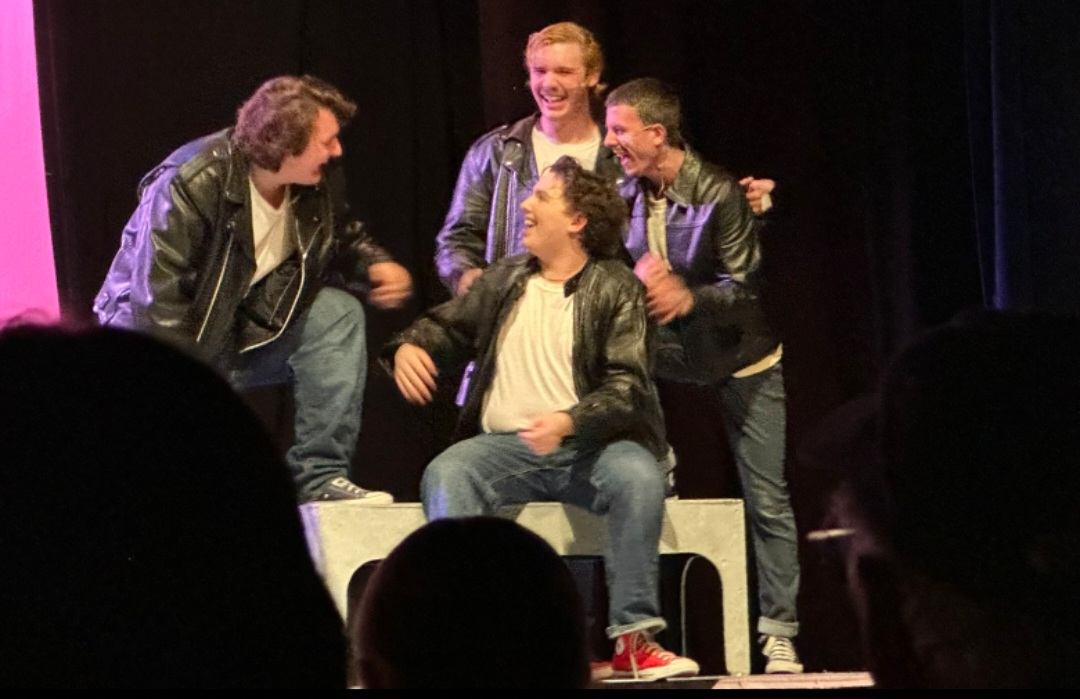
Big Sky’s theater department kicks off their 2025-26 season this week with the drama “Radium Girls.”
The play, which is about women who were poisoned by radium at work in the 1920s fighting for justice, will be shown in the Big Sky auditorium from November 19th through the 22nd.
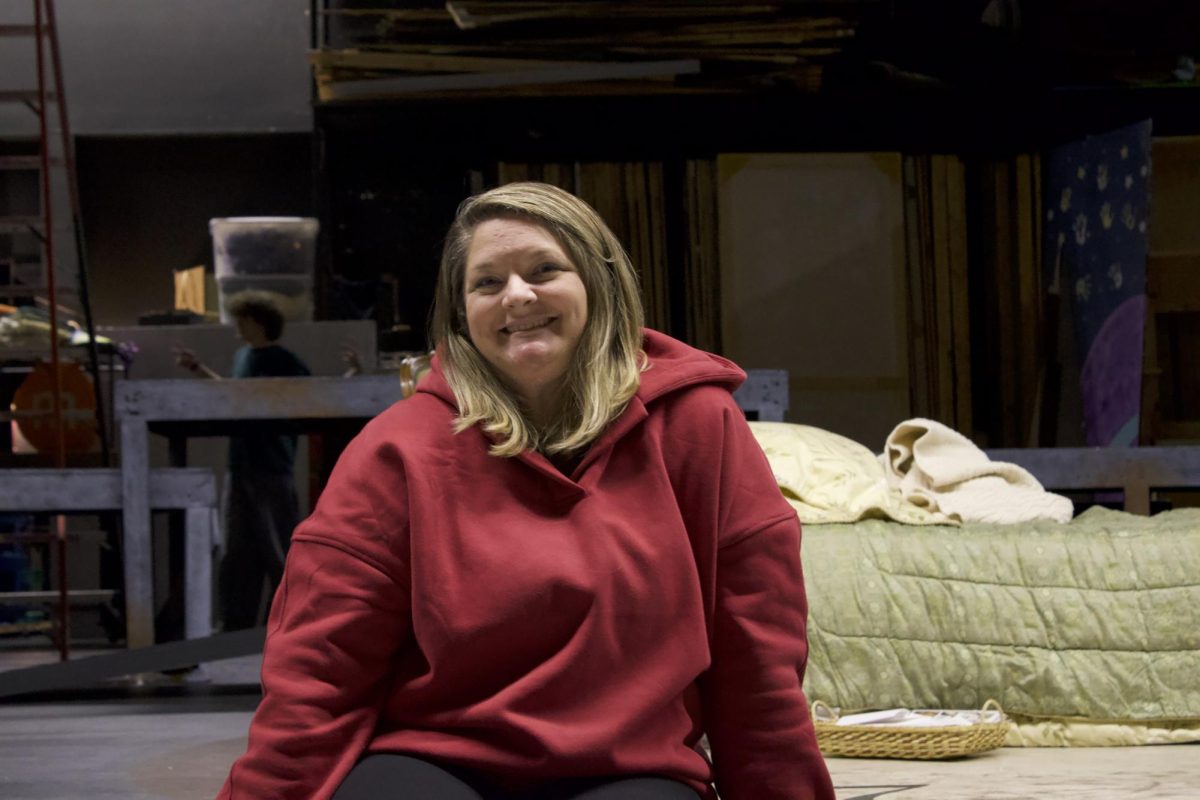
In an interview with the Sun Journal, Ms. Briner emphasized how excited she is for this play and how well the cast is coming together and educating themselves on the production.
“Its been different because it is a true story, so they’ve been really invested in learning the story behind the play,” Briner said of Big Sky’s “Radium Girls” production.
Since it is a more serious topic, she went about it meticulously with audition, stage design, and character dynamics.
Briner also talked about the audition process and how it led her to her casting decisions.
“We kind of try to find a place where everybody fits best. So it may not actually be the best actor gets the part, it’s who fits best and which role,” Briner explained.
After casting was announced, Briner said the actors have not only been researching and learning about the history behind the play, but also using it to build character. Students are using the narrative of the play to help them dramatize each character’s complexity and evolving world views, ensuring the choices they make as the character are as historically acurate as possible.
“Radium Girls” is a historical drama that uses both realistic, presentational, and sometimes comical elements that explore the theme of corporate greed and the struggle for workers’ rights. The play centers on a dial painter named Grace Fryer that’s played by Avery Smith, who is a senior.
As explained on the National Institute of Standards and Technology website in their article “New Jersey’s ‘Radium Girls’ and the NIST-Trained Scientist Who Came to Their Aid” by Ron Cowen, in the play Fryer and the other young dial painters were instructed by their employer to use a technique called “lip-pointing.” This is where they put the paint brush in their mouth to create a fine point for luminous watch and clock dials, while ingesting the radium in the process.
Many of the painters developed severe health conditions, including bone necrosis and cancer. Fryer and her colleagues sued their employer in a landmark case that eventually led to regulations on occupational safety and health standards, as told in the play. Big Sky drama students even made a museum of sorts that shows this history and how much it truly has affected U.S. work labor when you walk into the high school theater.
Smith described her growth in her role as Fryer and how she has embodied the character. She said she received “very good background, which made it easier to portray someone thats becoming more frail and getting sick over time.” Smith also described how everyone has their own little rituals to stay in character, while having the knowledge and understanding of their character helped the cast grow together.
“As kids get more comfortable with their characters as an individual grows you can really see the relationships of the cast grow,” Smith said. She also said that she has created unbreakable friendships, creating relationships with everyone in the cast, which shows with the dynamics on stage.
Finn Bierwag, a senior who plays Tom Kreider in the play, also talked about how cast members have worked to embody their characters.
“Especially when you’re doing something that is as serious as this show, and as meaningful as this show, I think it’s really important to really embody your character,” Bierwag explained. “You represent this person who actually existed in the best and accurate way you can.”
This has been a huge difference from the last few years, Briner said, as Big Sky has previously focused more on comedies or less serious topics in their productions. Briner and her co-director Rose Hogland is making sure that this topic is taken seriously and shown in a historically correct way as much as they possibly can, while also letting actors create their own spin on their characters.
They have found ways to work together through obstacles and talk through the early blocking. Hogland said, “the biggest struggle has been trying to find the best way that I can communicate what our visions is…,” while the actors make something for themselves, which in itself makes characters develop more with different interpretations.
Watching as they put the play together scene by scene or even line by line by using different tempos or even emotions, audience members can see them bring the story to life in a very diligent manner.
Hogland takes everything one step at a time. If one thing goes wrong, her mindset is to always find the next right thing.
“The best thing you can do is to find the next right thing and sometimes that next right thing isn’t going to be as good as before,” Hogland said. She emphasized all you can really do is add to the actor/actresses table and see what they do with it.
So much of this play is trial and error because it has such a deep meaning. Because it’s a true story, this cast understands the seriousness of it all by doing the research and understanding the history, while also having fun with putting it all together.
Briner also said she feels the play’s topics are relevant to things in our world today, and talked about how giving light to a show like this is incredibly important.
“I think everyone should come see the show because it is a true story about the history of our country and it’s very applicable to things that are happening today,” Briner said.